


Mechanical Testing
From nanoscale surface texture to bulk microstructure, Covalent delivers quantitative morphology and structural analysis that informs design, reliability, and process control.
What Is Mechanical Testing?
When a material scientist talks about Mechanical Testing, they’re referring to a set of techniques and methods that let us evaluate how a material behaves when we subject it to the elements; heat, stress, tension, impacts, repeated use, and more. When subjecting a material to mechanical tests of any kind, the objective is to determine how it will perform during its intended use and for how long before it begins to fail.
At Covalent, our scientists can help with testing strength (shear tests or tensile tests), hardness testing, fracture/impact testing, environmental testing (responsiveness to actors like temperature, environment, or stress), wear/fatigue testing (including cyclic loading tests), or more.
How It Works
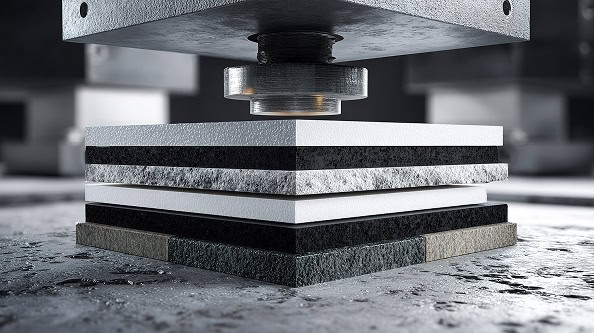
Mechanical testing evaluates how a material behaves under heat, stress, tension, impact, repeated use, and more. At Covalent, our mechanical testing services span strength, hardness, fracture and impact, environmental response, and wear or fatigue in a modern mechanical testing laboratory.
Techniques Used in Mechanical Testing
Characterizes through-pores in wettable, permeable materials. Explore
Characterizes thermal and mechanical properties of soft materials. Explore
Verifies IPC-A-610 quality to reduce defects. Explore
Uncovers microstructures and defects causing performance issues. Explore
Provides accurate liquid property analysis for surface tension. Explore
Measures material dimension changes with temp, time, or force. Explore